
God is dead. Long live the Labubu
Nietzsche would have loved this

If ever there was a sign that God is dead, God remains dead, and that we have killed him, surely it is the rise of Labubu.
As someone who is preoccupied by the random nature of modern-day fame and online trends, I’ve been following Labubus for some time now. Why is it, in a world of ugly tat, that this piece of ugly tat has people lining up around the block at 3am?
There is a simple, yet somehow completely unsatisfactory, answer to this question. The ‘art dolls’ (as they’re sometimes dubiously called) existed in obscurity for many years, until a Korean pop star was photographed with a Labubu attached to her handbag. It was kind of ugly, kind of cute, and weird enough to stick in people’s minds. After that, it didn’t take long until Labubus hit the mainstream.
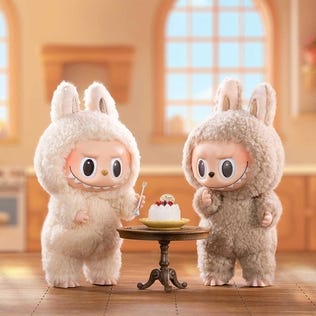
Of course, they also press a number of known psychological sweet spots for consumerism. They’re packed in blind boxes for intermittent reinforcement (the same mechanism which makes pokies addictive), they’re made artificially scarce, and with their absurd popularity, they now have social proof.
But that doesn’t feel like the whole story. There is a cultural undercurrent to the Labubu, which feels more complex. Something which sets them apart from other fads. Beanie Babies might have been dumb, for example, but even that craze was driven by the naive belief they would grow in value.
Labubus make no such promises.
The intentional ugliness, the stupid name, the uselessness – they feel like tacit social commentary. A physical articulation of something we are collectively feeling, but not able to express.
Nihilism, I think, might offer some answers.
Broadly speaking nihilism is the belief that life has no inherent meaning, purpose, or value. Friedrich Nietzsche wrote about it as a cultural affliction prevalent in the west. He spoke of nihilism as a condition which arises when the traditional foundations of morality (particularly those established by religion) collapse.
Not that Nietzsche was a fan of religion. He was naturally suspicious of any systems of power which offered easy answers. Better, Nietzsche believed, that an individual mapped out their own values. He advocated for people facing the void, accepting the meaninglessness of life, and then creating an existence which had its own personal value.
But that is, of course, difficult. Religion tells us that suffering is transitory, and brings us closer to God. But if there is no God, then our suffering has no meaning. That’s a pretty grim take, actually. But a flourishing person would accept this fact, and live a bold and true life anyway.
And if you don’t do that necessary internal work? Well, you get Labubus.
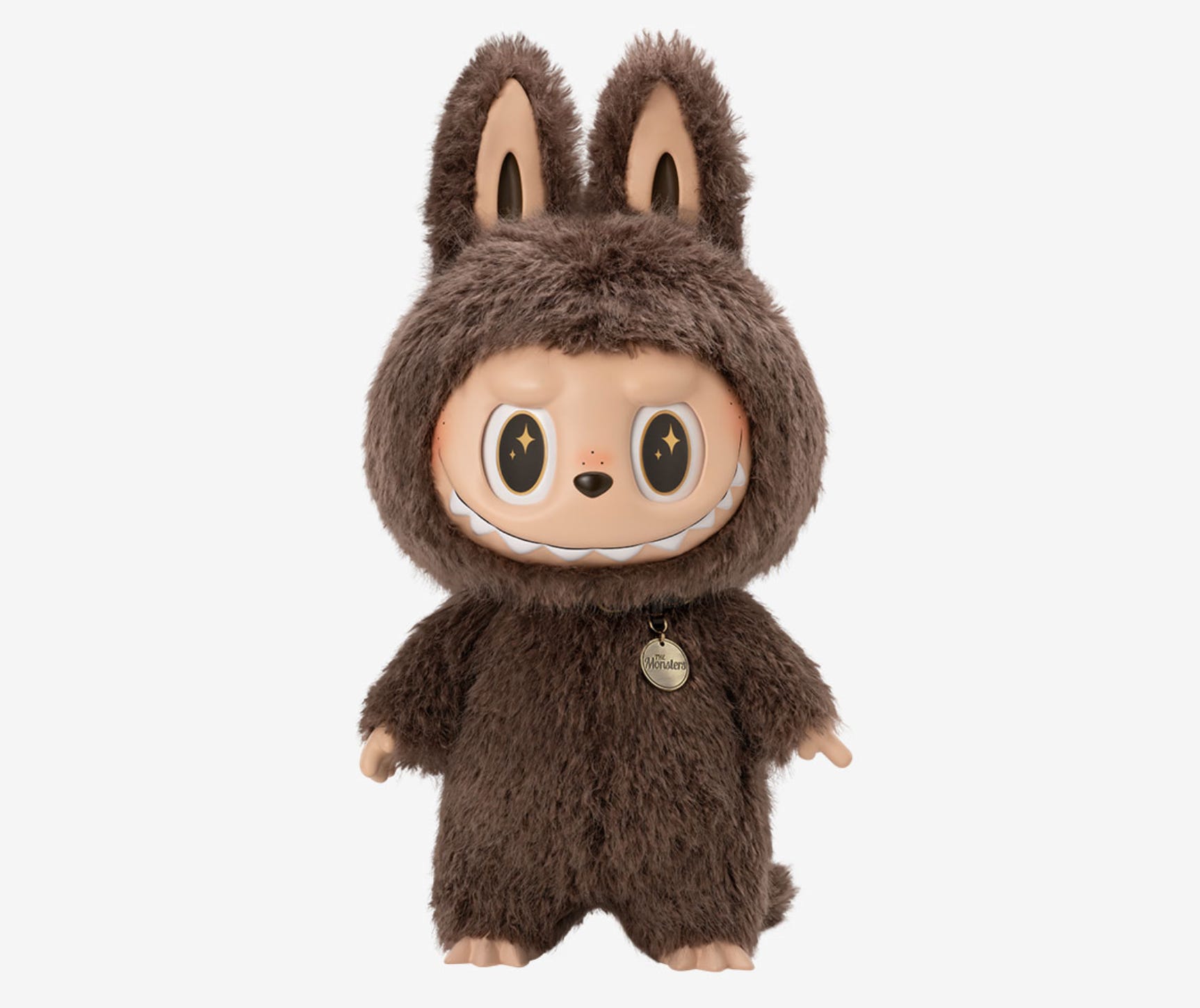
Not that Nietzsche specifically addressed consumerism. But I suspect that if Nietzsche was brought back to life and shown Labubus, he would immediately creme his unterhose. They affirm so many of his views.
There is a something fiercely meaningless about Labubus. They are, in themselves, a joke. A commentary on mindless consumption, which somehow still manages to be mindless consumption. They stand for nothing, but so do we. That’s part of their appeal.
It seems even our guilty pleasures must come with an ironic edge these days.
To me, Labubus feel emblematic of the moment. Nothing is sincere, because we believe that nothing matters. Is the answer staring into the void, as Nietzsche suggested? It is hard to say.
“He who fights with monsters might take care lest he thereby become a monster. And if you gaze for long into an abyss, the abyss gazes also into you,” Nietzsche famously wrote in Beyond Good and Evil.
But what if you gaze into the abyss and a Labubu stares back?
For that, I have no answer.
Hope you enjoyed the repost. God knows what I was on when I wrote this one. Back with a new article next week!